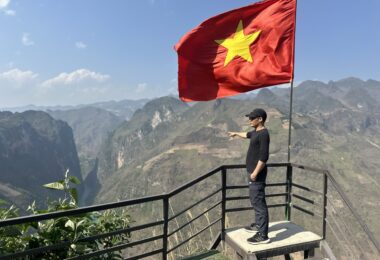
Discover Vietnam’s northern frontier through the lens on this Ha Giang Photography & Eco Boat Adventure: 5 Days. Especially, it is designed for photographers, nature lovers and responsible travellers. So, the journey combines dramatic mountain passes, traditional ethnic villages, limestone valleys. As well as a memorable eco-conscious boat experience through Tu San Canyon.
Unlike fast-paced Ha Giang Tours, this carefully planned itinerary allows time to wait for changing light. Therefore, you can observe local life and photograph each landscape from thoughtfully selected viewpoints. You will capture the winding roads of Bac Sum and Tham Ma, the earthen houses of Sung La, the rugged peaks of Dong Van Karst Plateau. As well as the jade-coloured Nho Que River beneath Ma Pi Leng Pass.
Moreover, the tour also offers meaningful cultural encounters in Dao, Hmong, Tay and Lo Lo communities. With small locally owned homestays, regional meals and community-operated services. It helps ensure that tourism income remains within the mountain villages. From misty mornings and colourful markets to quiet moments on the river, every day reveals another visual story of Ha Giang.
Day 1: Ha Giang City – Bac Sum Pass – Quan Ba – Nam Dam – Yen Minh
You will meet our local tour guide in Ha Giang City and attend a short briefing. All information about the route, mountain weather, responsible photography and equipment protection. Then, you will begin the journey along National Highway 4C. Where the landscape rapidly changes from river valleys to steep limestone mountains.
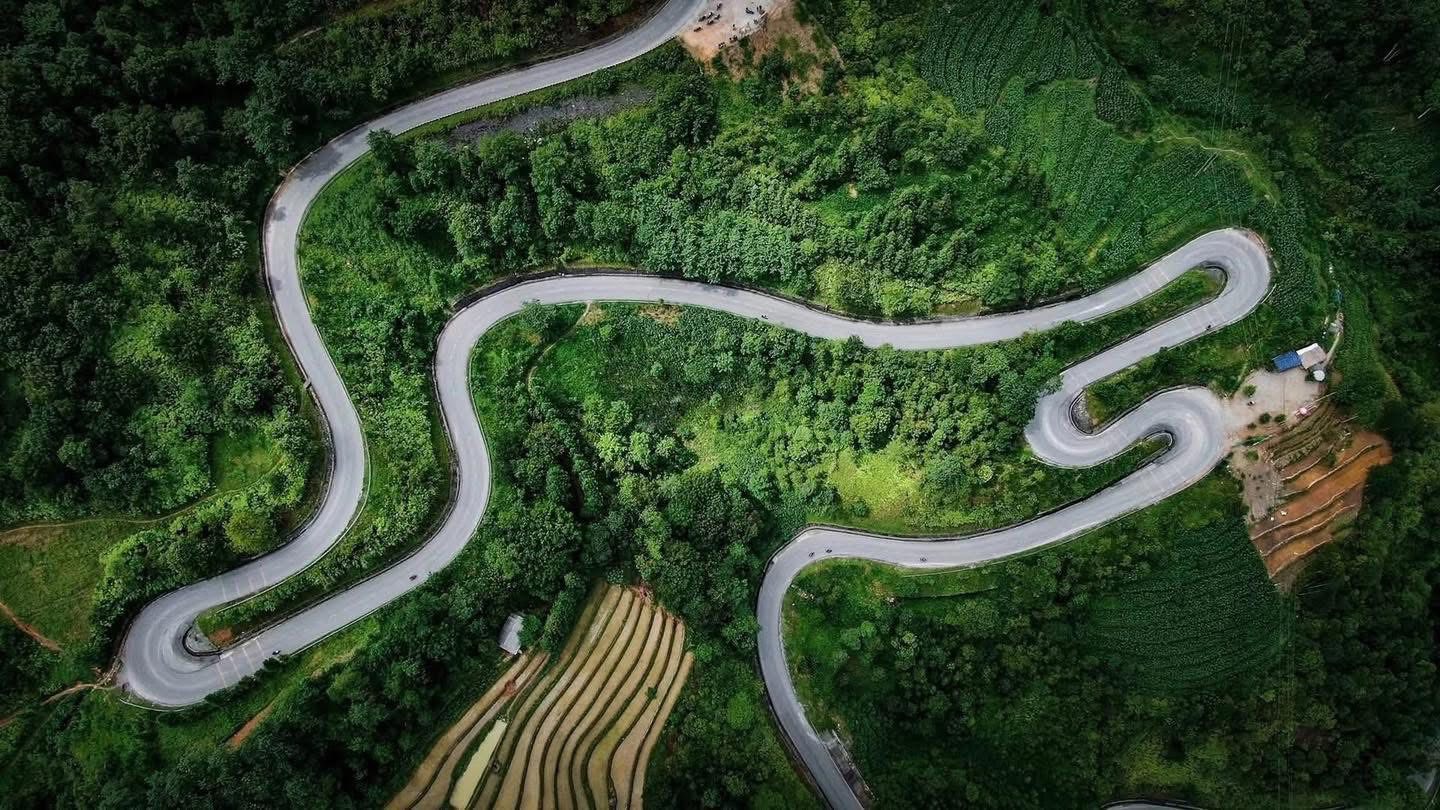
The first photography stop is Bac Sum Pass. Its repeated bends create strong leading lines, especially when photographed from a safe elevated position. Next, you will continue traveling to Quan Ba Heaven Gate, overlooking layers of mountains and the distinctive Quan Ba Twin Mountains.
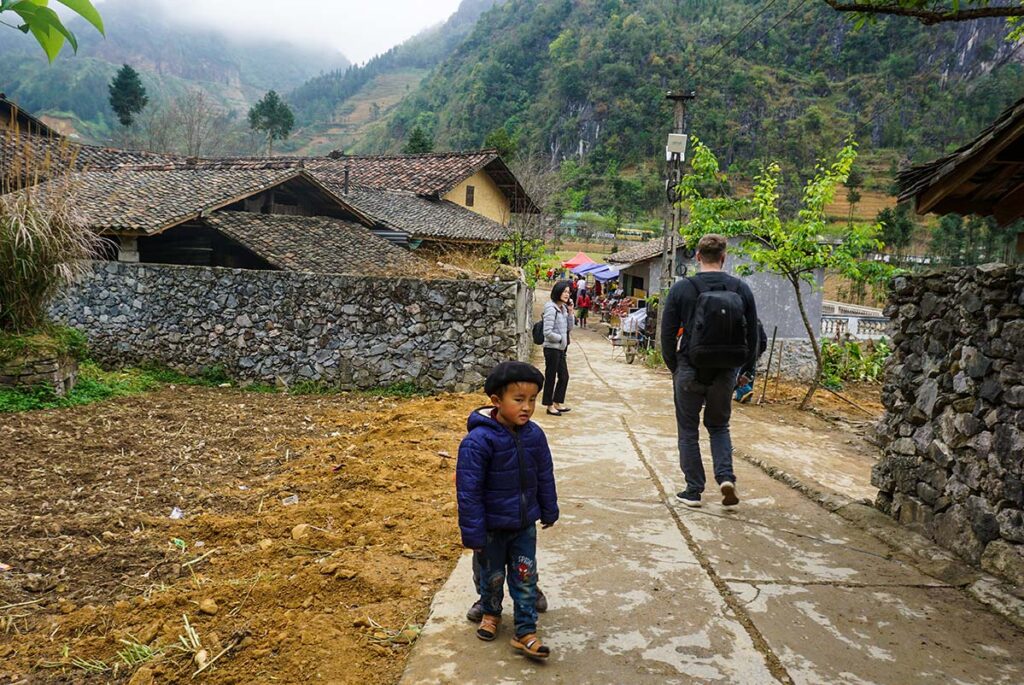
After enjoying lunch, you will visit Nam Dam, a peaceful Dao community known for its earthen houses and rural surroundings. From here, you will walk slowly through the village to photograph home gardens, farming scenes and traditional architecture. Besides, our tour guide will help request permission before any close-up portraits or photographs inside private homes.
Then, you will continue traveling through Can Ty and the pine-covered landscapes toward Yen Minh. You also stop at selected viewpoints when the afternoon light falls across the valleys.
In the evening, you will check in at a locally operated lodge or homestay and enjoy a regional dinner.
Photography focus: Curving-mountainous roads, layered landscapes, Dao architecture and environmental portraits.
Local guide’s note: Never stand in the roadway for a photograph. Mountain bends are narrow, and vehicles may appear without warning. The guide will identify safe stopping points.
Meals: Lunch and dinner
Overnight in Yen Minh.
Day 2: Yen Minh – Tham Ma Pass – Sung La Valley – Vuong Residence – Dong Van
After having breakfast, you will depart early while low clouds and morning light still soften the mountain scenery. From here, you can travel through a changing landscape of limestone ridges, cornfields and small Hmong settlements.
Afterward, you will stop at Tham Ma Pass, this is one of Ha Giang’s most recognisable photographic locations. From the authorised viewpoint, you can capture the winding road against the surrounding slopes. Then, you will continue traveling into the Dong Van Karst Plateau. Where dark limestone formations contrast with cultivated fields and stone-walled houses.
Next, you will explore Sung La Valley, particularly beautiful during flower and crop seasons. Here, you can walk through a traditional village, observing the rhythm of daily life without staging photographs. Or interrupting residents at work.
Then, you will visit the Vuong Family Residence, this is a distinctive early-20th-century complex combining regional architectural influences. With its stone courtyard, wooden interiors, roof tiles and symmetrical doorways, it offers excellent detail and architectural compositions. Noted, tripods or professional equipment may be restricted inside heritage buildings, so follow the instructions displayed at the site.
Later, you will arrive in Dong Van in the afternoon. After checking in, you will take a guided photography walk around the Dong Van Old Quarter. Besides, you should photograph weathered façades, tiled roofs, cafés and the evening activity around the central square.
Photography focus: Tham Ma Pass, karst textures, Hmong villages, heritage architecture and old-town street scenes.
Local guide’s note: Dong Van can become cold after sunset, even when the daytime temperature feels comfortable. Keep a light insulated jacket in your day bag and carry a lens cloth for condensation.
Meals: Breakfast, lunch and dinner
Overnight in Dong Van.
Day 3: Dong Van Sunrise – Ma Pi Leng Pass – Nho Que Eco Boat Trip – Meo Vac
In the morning, you should wake up before having breakfast for an optional sunrise photography session near Dong Van. Depending on the weather, you will photograph the old quarter awakening. Or traveling to a nearby elevated location for misty views across the karst plateau.
Next, you will return for breakfast and then follow the legendary mountain road toward Ma Pi Leng Pass. In addition, there are several carefully selected stops provide different perspectives over steep peaks, deep valleys and the Nho Que River far below.
Then, you will take a short walk along a safe section of the panoramic route. With time for wide-angle landscapes and telephoto compositions of the river winding through the mountains. Moreover, our tour guide will select viewpoints based on visibility, traffic and current access conditions.
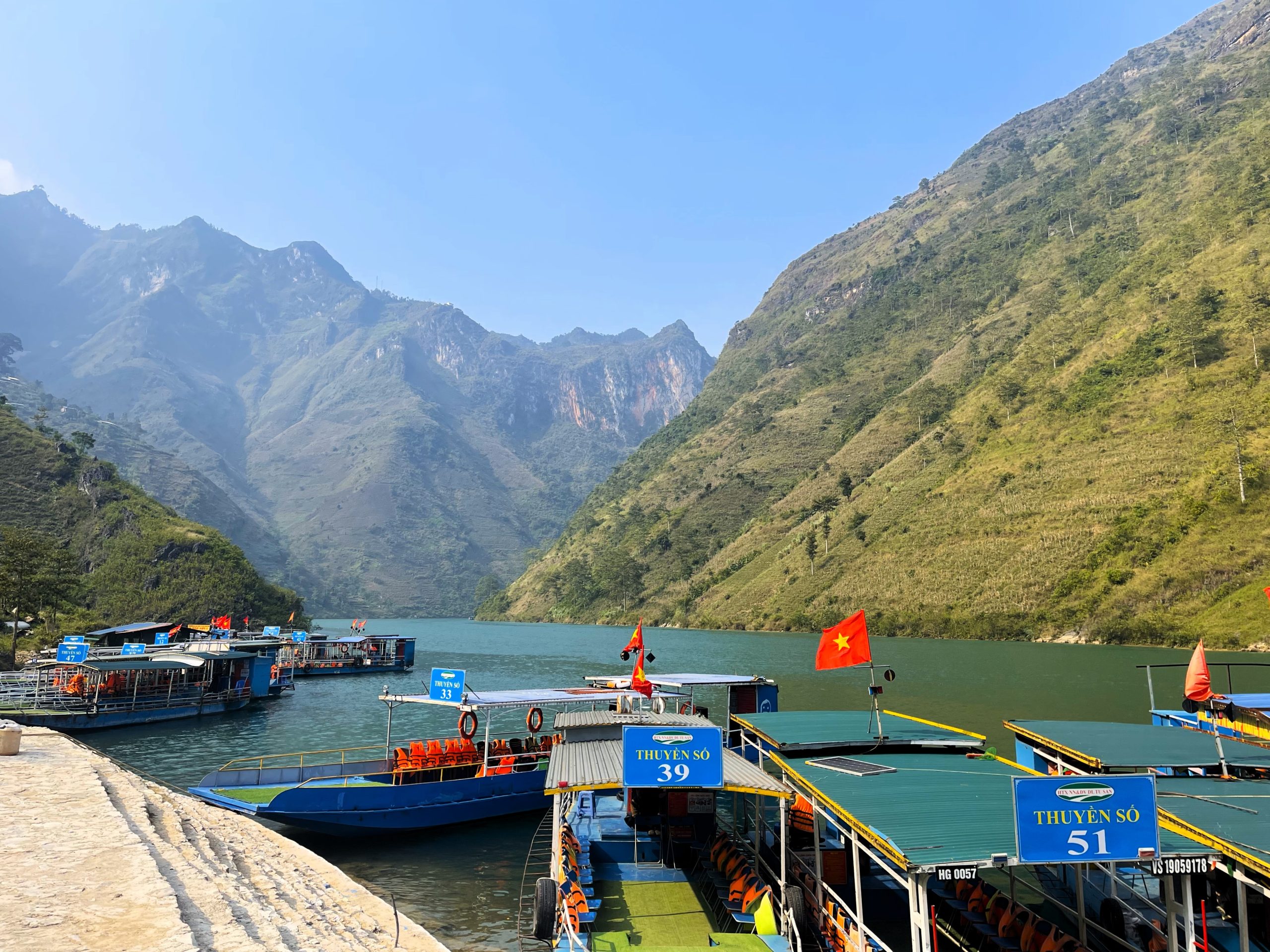
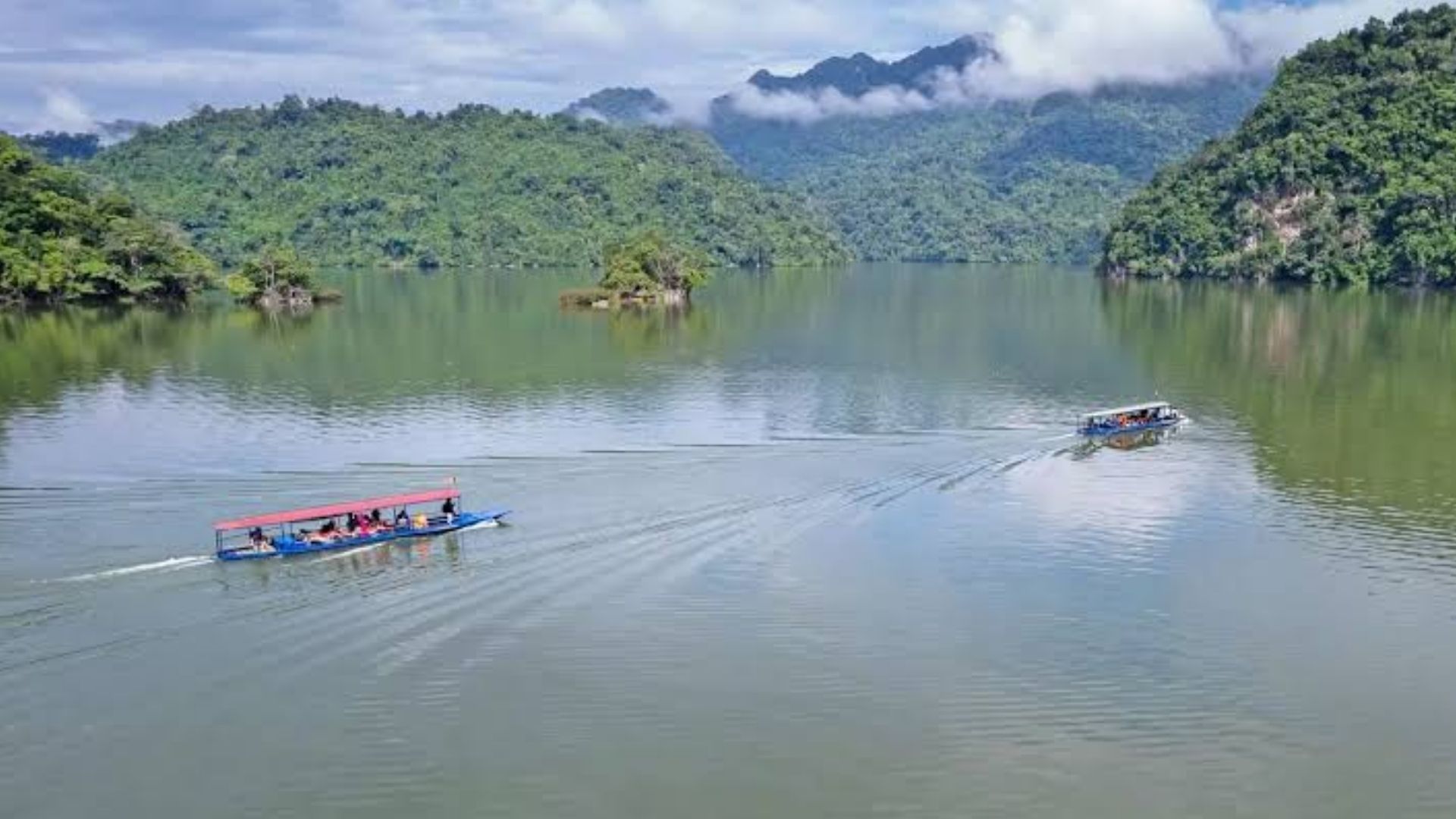
Afterward, you will descend toward a local boat landing for the signature Nho Que River eco boat adventure. Putting on the provided life jacket before boarding a small locally operated boat. You will cruise between the towering cliffs of Tu San Canyon, photographing rock patterns, reflections and the changing scale of the gorge from water level. Typical trips last around 45–60 minutes, although the exact route and duration depend on local operations and river conditions.
Note, our low-impact approach includes travelling in a small group, carrying reusable water bottles, avoiding single-use plastics and returning all waste to shore. Swimming, loud music and disturbing the canyon environment are not permitted.
Later, you will continue traveling to Meo Vac after the boat excursion. If conditions are favourable, stop for late-afternoon photography before checking in.
Photography focus: Sunrise, Ma Pi Leng Pass, aerial-style canyon views, emerald water, reflections and towering limestone walls.
Local guide’s note: Secure straps, lens caps and phones before boarding. Use a fast shutter speed from the moving boat, keep equipment inside a dry bag between shots and remain seated when instructed.
Meals: Breakfast, lunch and dinner
Overnight in Meo Vac.
Day 4: Meo Vac – Mau Due – Lung Ho – Du Gia Village
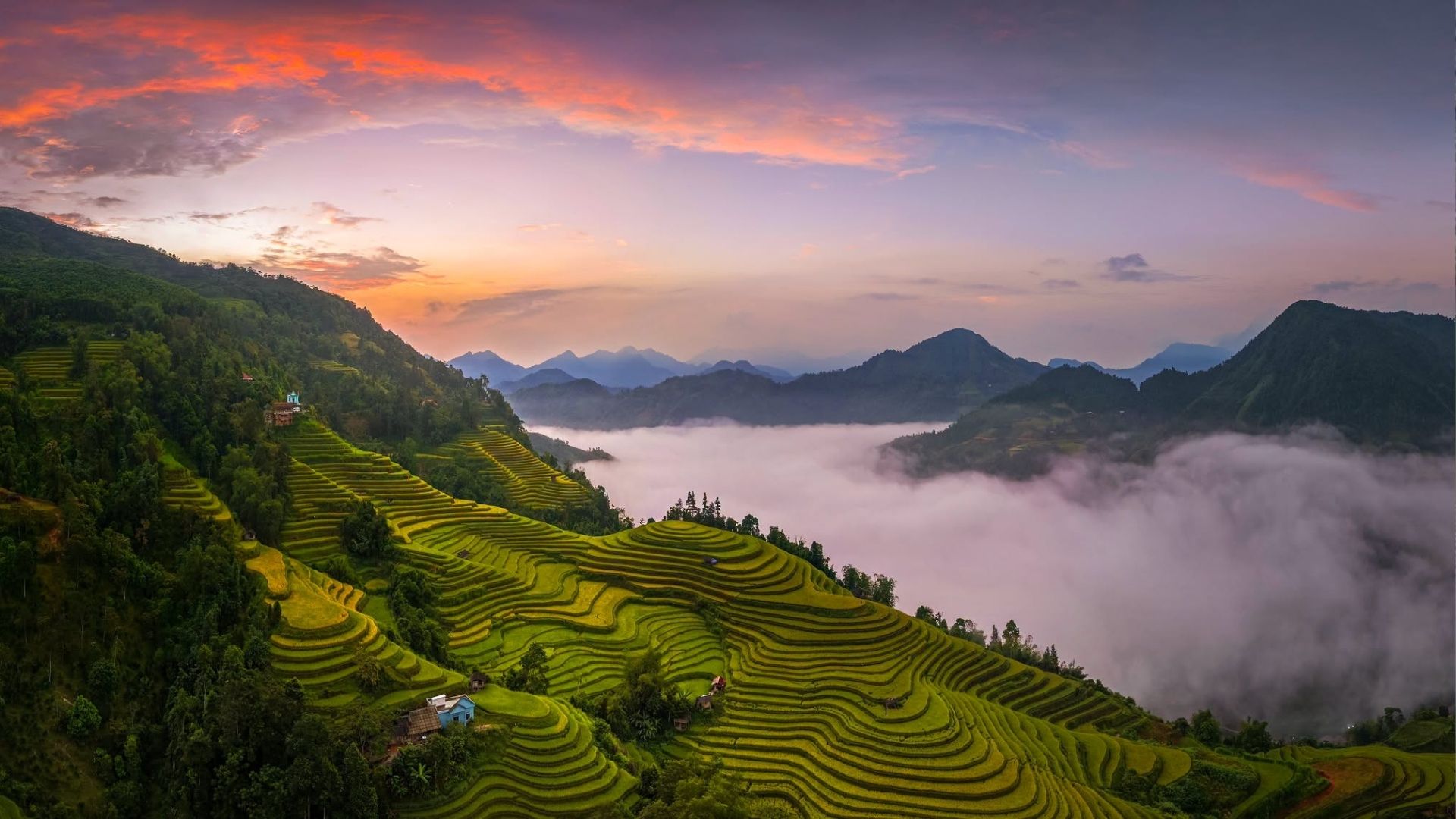
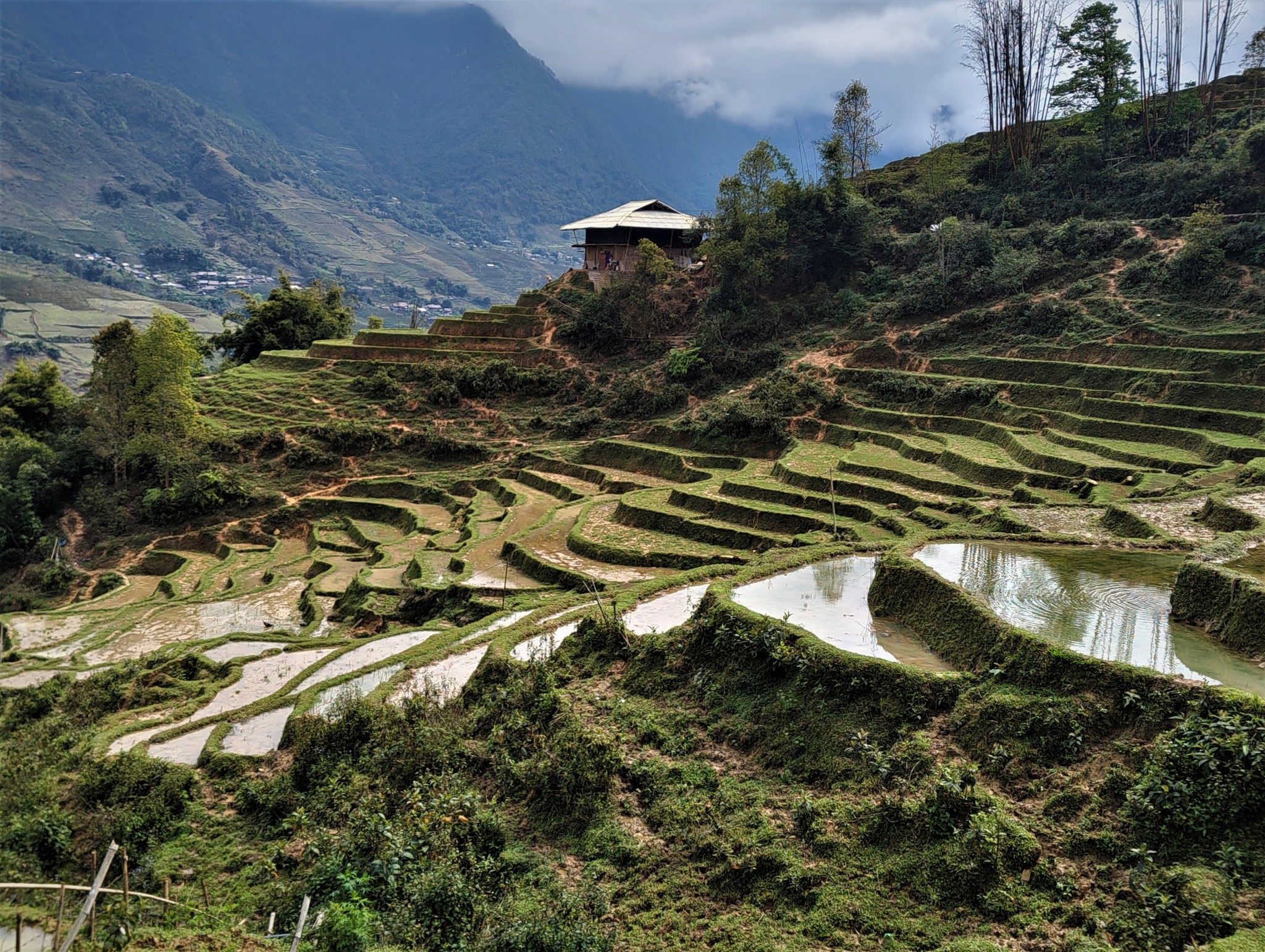
You will enjoy breakfast before leaving Meo Vac for a quieter section of the Ha Giang route. Here, you can travel through Mau Due and Lung Ho. Where limestone mountains gradually give way to terraced fields, forested slopes and fertile valleys.
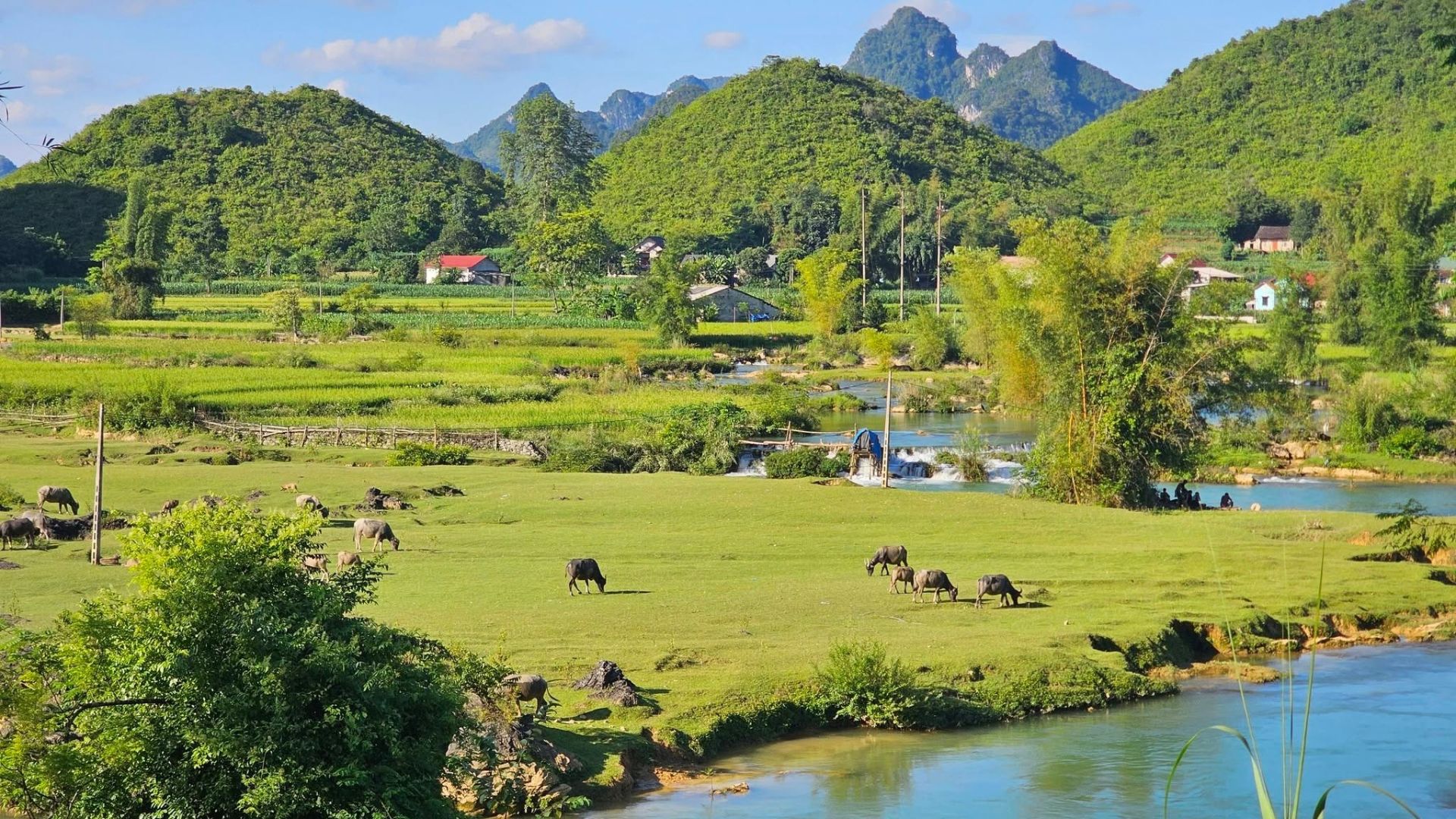
The day is deliberately unhurried, allowing spontaneous photography. When farmers, buffalo, roadside markets or changing weather create an interesting story. In addition, stops are made only where parking is safe and local privacy can be respected.
Then, you will arrive in Du Gia, a peaceful valley inhabited mainly by Tay and other ethnic communities. After having lunch, you will take a gentle village walk past stilt houses, rice fields and streams. Note, subject to weather and trail conditions, continue to a nearby waterfall or natural pool. Besides, photography is prioritised; swimming is optional and only permitted when your guide confirms that conditions are safe.
Toward sunset, you will capture the surrounding mountains as warm light reaches the valley. In the evening, you will spend the night at a family-run homestay and enjoy a home-cooked dinner. It features seasonal vegetables, rice, tofu, pork, chicken or freshwater fish, depending on availability.
Photography focus: Rural life, terraces, Tay stilt houses, waterfalls and golden-hour valley landscapes.
Local guide’s note: When photographing residents, smile and ask first. A nod from the guide does not replace the subject’s consent. Avoid photographing children in ways that reveal sensitive personal information.
Meals: Breakfast, lunch and dinner
Overnight in Du Gia.
Day 5: Du Gia Sunrise – Duong Thuong Valley – Ha Giang City
You will begin the final day with an optional sunrise walk around Du Gia. Early light, kitchen smoke and morning mist can create evocative documentary images. But you should remain quiet around local homes.
Next, you will return to the homestay for breakfast before travelling through the spectacular Duong Thuong Valley. In addition, you can shoot the limestone peaks, cultivated fields and isolated communities along one of the tour’s most rewarding scenic stretches.
Then, you will stop for lunch at a local restaurant before continuing to Ha Giang City. Additional photo breaks will be arranged according to the light, weather and road conditions.
Finish the day, you will arrive in Ha Giang in the late afternoon, concluding the five-day photography and eco boat adventure.
Photography focus: Village sunrise, mountain agriculture, environmental storytelling and final panoramic landscapes.
Local guide’s note: Keep one camera accessible during the transfer. Ha Giang’s most memorable images are often unscheduled moments rather than famous viewpoints.
Meals: Breakfast and lunch